

What is the power consumption of large - milling equipment?
Dec 10, 2025
What is the power consumption of large - milling equipment?
As a supplier of Large Milling equipment, I often get asked about the power consumption of our large - milling machines. Understanding the power consumption of such equipment is crucial for businesses, as it directly impacts operational costs, energy efficiency, and overall productivity. In this blog, I'll delve into the factors that influence the power consumption of large - milling equipment and how you can manage it effectively.
Factors Affecting Power Consumption
1. Machine Size and Capacity
The size and capacity of large - milling equipment play a significant role in determining its power consumption. Larger machines with higher cutting capabilities generally require more power to operate. For instance, a heavy - duty large - milling machine designed to handle large workpieces and perform high - volume milling operations will consume more electricity compared to a smaller, more compact model. This is because larger machines have more powerful motors, larger cutting tools, and more complex mechanical components that need to be driven.
2. Cutting Parameters
The cutting parameters, such as cutting speed, feed rate, and depth of cut, have a direct impact on power consumption. Higher cutting speeds and feed rates typically result in increased power requirements. When the machine is cutting at a faster pace, the motor has to work harder to drive the cutting tool through the material. Similarly, a greater depth of cut means that more material is being removed per pass, which also demands more power from the machine. For example, if you are milling a thick piece of steel and you increase the depth of cut, the power consumption of the milling machine will rise accordingly.
3. Material Being Milled
The type of material being milled is another important factor. Different materials have different hardness, density, and machinability characteristics. Harder materials, such as stainless steel or titanium, require more power to mill compared to softer materials like aluminum or brass. This is because the cutting tool has to exert more force to penetrate and remove the harder material. Additionally, materials with high ductility may cause the cutting tool to experience more friction, further increasing power consumption.
4. Machine Efficiency
The efficiency of the large - milling equipment itself can greatly affect power consumption. Well - maintained machines with properly lubricated components and sharp cutting tools tend to operate more efficiently and consume less power. On the other hand, machines that are in poor condition, with worn - out parts or misaligned components, may require more power to achieve the same level of performance. For example, a dull cutting tool will need more power to cut through the material, as it has to work harder to overcome the resistance.
5. Auxiliary Systems
Many large - milling machines are equipped with auxiliary systems, such as coolant pumps, lubrication systems, and chip conveyors. These systems also consume power. The power consumption of these auxiliary systems can vary depending on their size, capacity, and operating mode. For instance, a high - pressure coolant pump will consume more power than a low - pressure one.
Measuring Power Consumption
To accurately measure the power consumption of large - milling equipment, you can use a power meter. A power meter is a device that measures the electrical power being consumed by a machine. It can provide real - time data on the power usage, allowing you to monitor and analyze the energy consumption patterns of your milling machine. By collecting this data over a period of time, you can identify trends and make informed decisions about how to optimize power consumption.
Another way to estimate power consumption is by referring to the machine's technical specifications. Manufacturers usually provide information about the rated power of the machine, which is the maximum power it can consume under normal operating conditions. However, it's important to note that the actual power consumption may vary depending on the factors mentioned above.
Managing Power Consumption
As a supplier, I understand the importance of helping our customers manage the power consumption of their large - milling equipment. Here are some strategies that can be implemented:
1. Optimize Cutting Parameters
By carefully selecting the appropriate cutting parameters, you can reduce power consumption without sacrificing productivity. For example, you can find the optimal balance between cutting speed, feed rate, and depth of cut. Sometimes, a slight reduction in cutting speed or feed rate can result in a significant decrease in power consumption, while still maintaining an acceptable level of production output.
2. Use High - Efficiency Cutting Tools
Investing in high - efficiency cutting tools can also help reduce power consumption. These tools are designed to cut through materials more effectively, with less friction and resistance. They can also maintain their sharpness for a longer period of time, reducing the need for frequent tool changes and minimizing power losses due to dull tools.
3. Regular Maintenance
Regular maintenance of the large - milling equipment is essential for efficient operation. This includes lubricating moving parts, checking and adjusting the alignment of components, and replacing worn - out parts. By keeping the machine in good condition, you can ensure that it operates at its peak efficiency and consumes less power.
4. Upgrade to Energy - Efficient Models
If your current large - milling equipment is outdated and consumes a lot of power, it may be worth considering upgrading to a more energy - efficient model. Newer machines are often designed with advanced technologies that can reduce power consumption while improving performance. For example, some modern milling machines are equipped with variable - speed drives, which can adjust the motor speed according to the load, resulting in significant energy savings.
The Role of Wear Plate Liners and Steel Structure Painting
In addition to managing power consumption, other aspects of large - milling equipment also need attention. Wear Plate Liner is an important component in large - milling machines. It helps protect the machine's internal components from wear and tear caused by the constant friction and impact during the milling process. A well - designed wear plate liner can extend the lifespan of the machine and reduce the need for frequent repairs, which indirectly contributes to energy efficiency.

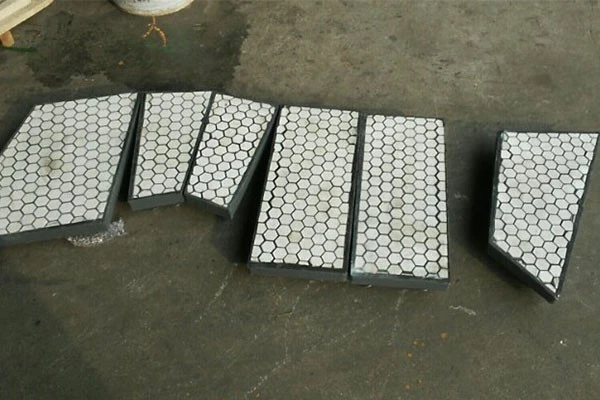
Steel Structure Painting is also crucial. It not only enhances the aesthetic appearance of the large - milling equipment but also protects the steel structure from corrosion. Corrosion can weaken the structure of the machine, leading to misalignment and increased power consumption. By applying a high - quality paint coating, you can ensure the long - term durability and efficiency of the equipment.
Conclusion
The power consumption of large - milling equipment is influenced by multiple factors, including machine size, cutting parameters, material being milled, machine efficiency, and auxiliary systems. By understanding these factors and implementing effective power - management strategies, businesses can reduce their energy costs and improve the overall efficiency of their operations.
As a Large Milling supplier, we are committed to providing our customers with high - quality equipment and comprehensive support to help them optimize power consumption. If you are interested in learning more about our large - milling equipment or have any questions regarding power consumption, please feel free to contact us for further discussion and potential procurement. We look forward to partnering with you to meet your milling needs.
References
- Smith, J. (2018). "Energy Efficiency in Machine Tools". Journal of Manufacturing Technology, 25(3), 123 - 135.
- Johnson, A. (2019). "Optimizing Cutting Parameters for Power Savings in Milling Operations". International Journal of Machining and Manufacturing Science, 12(2), 45 - 56.
- Brown, C. (2020). "The Impact of Machine Maintenance on Energy Consumption". Industrial Engineering Review, 30(4), 78 - 89.