

-
![Ship Crane Strucuture]() Add to Inquiry
Add to Inquiry -
![Self-unloader Structure]() Add to Inquiry
Add to Inquiry -
![Ravity Type Self-unloader Structure]()
Ravity Type Self-unloader Structure
Add to Inquiry -
![Deck Type Self-unloader Structure]()
Deck Type Self-unloader Structure
Add to Inquiry -
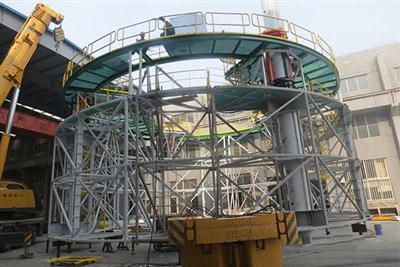
![Deliivery Support For Wind-power Station]()
Deliivery Support For Wind-power Station
Add to Inquiry -
![Offshore Steel Structure]() Add to Inquiry
Add to Inquiry -
![Offshore Platform Structure]() Add to Inquiry
Add to Inquiry


SONGDA HEAVY: Your Professional Marine And Offshore Structure Supplier
Wuxi Songda Heavy Machinery Co., Ltd. was established in 2010. The company is committed to be one of the best quality manufacturing company in China for heavy machineries, non-standard machineries and its steel structures, components, assembly and commissioning, providing varous parts for bulk material handling equipment, mining equipment, off-shore equipments, port and terminal machieries, conveyor system, self-unloading ships, marine engineering project. Songda has maintained its long-term business cooperation with a number of world-famous companies.
Why Choose Us?
Variety of Products
We mainly research and produce heavy machineries, non-standard machineries and its steel structures, components, assembly and commissioning. Additionally, we also provide varous parts for bulk material handling equipment, mining equipment, off-shore equipments, port and terminal machieries, conveyor system, self-unloading ships, marine engineering project. As a result, you can easily find the equipment you need.
Wide Market
SONGDA HEAVY has specialized in heavy machineries over 14 years, with our products sold in over 80 countries and regions worldwide. Now, we have successfully maintained long-term business cooperation with a number of world-famous companies and received unanimous praise.
Superior Service and Logistics
Our customer service team is available to provide support and solutions to customers at all times. All after-sale request will be responded in 24 hours. We provide finite element analysis services, process design and validation of Mobile Bulk Reception Feeder. Besides, complete and professional process equipment guarantees the reliability of products and on-time delivery. Our past order lead time is better than the industry average.
Advanced Equipment
Our company has automatic production lines and advanced production equipment, from laser cutting, CNC bending, large boring milling equipment, big painting hall, heavy lift assembly site to meet your requirement.
High Quality
Songda factories covered 15000 square meters and totally 150 employees to promise the products best quality control. Our professional QC team and the standards/certifications we followed, such as ISO9001, ISO14001, ISO18001, ISO3834 , EN1090, EN287, AWS2.1. AS can strictly control the product quality. We mainly choose raw material from big steel factory, such as NANJING STEEL, SHA STEEL, which are best and largest raw material manufacturer in China.
Rich Experience
We have more than 14 years of experience in material handling equipment R&D, stacker reclaimer, ship loader, ship unloader, heavy duty steel structure manufacturing and so on. Moreover, we are an innovation driven company and have 15 patents, and 3-5 patents are authorized every year.
Brief Introduction to Marine And Offshore Structure
Marine and offshore structures refer to the construction and facilities located in the marine environment, including but not limited to ports, wharves, oil platforms, wind turbines, pipelines, and navigation aids. Marine structures are typically designed to withstand the harsh marine environment, they must be strong, durable, and able to withstand extreme weather conditions. Additionally, they must be designed to resist corrosion and erosion caused by constant exposure to saltwater. Offshore structures, on the other hand, are built in deeper waters and are often used for oil and gas exploration, wind energy generation, or other marine resource extraction activities. These structures play a crucial role in the maritime industry, energy production, and transportation.
The Main Types of Marine And Offshore Structure
The Ship Crane Structure
The ship crane structure is a specialized piece of equipment used on board ships, particularly those engaged in cargo handling operations such as container ships, bulk carriers, and tankers. The ship crane structure is designed to be strong, durable, and highly maneuverable to meet the demands of cargo handling operations in various marine environments.
Self-unloader Structure
A self-unloader, also known as a self-discharging vessel or bulk carrier with unloading equipment, is a type of cargo ship designed to discharge its cargo without the need for external assistance. This is achieved through the use of onboard unloading equipment, such as conveyor belts, cranes, or pumps, depending on the type of cargo being carried. The self-unloader structure is designed to maximize cargo discharge efficiency while minimizing the need for external assistance.
Ravity Type Self-unloader Structure
A gravity type self-unloader structure refers to a type of cargo ship that utilizes the force of gravity to discharge its cargo. This type of self-unloader is typically used for carrying bulk cargoes that can be easily moved by gravity, such as coal, ore, grain, and other granular materials. The ship is equipped with cargo monitoring and control systems that allow the crew to monitor the cargo flow and adjust the discharge rate as needed.
Deck Type Self-unloader Structure
Deck type self-unloaders are a type of cargo ship that have their unloading equipment mounted directly on the deck, rather than below the deck as in gravity-type self-unloaders. These ships are designed to handle a wide range of cargo types, including those that cannot be easily moved by gravity due to their size, shape, or weight.
Delivery Support For Wind-power Station
Delivery support for wind power stations involves a range of activities and services designed to ensure the smooth, safe, and efficient transportation of wind turbine components from the manufacturer to the construction site. Wind turbines are typically composed of numerous large and heavy components, such as blades, nacelles, towers, and generators, which require specialized handling and transportation.
Jacket Platforms
These platforms are quite common and comprise of an outer jacket-like structure of welded tubular steel. Steel jackets are vertical sections made of tubular steel members, and are usually piled into the seabed. This external steel jacket has many functions ranging from stability and supporting the entire structure to protecting the internal piping and drill equipment from external disturbances.
Offshore Steel Structure
Offshore steel structures refer to the steel-based frameworks and components used in the construction of offshore facilities, such as oil and gas platforms, wind turbines, and marine renewable energy devices. These structures are designed to withstand the harsh marine environment, which includes exposure to saltwater, wave action, corrosion, and extreme weather conditions. Offshore steel structures are typically fabricated in land-based facilities and then transported to the construction site for installation.
Offshore Platform Structure
An offshore platform structure is a type of construction that is designed and built for use in marine environments, particularly for oil and gas exploration, production, and other related activities. These structures are typically made of steel and other durable materials to withstand the harsh conditions of the ocean, including exposure to saltwater, waves, and extreme weather.
Tension-Leg Platforms
These are floating facilities which stay afloat and remain in position with the help of specialized steel tubes called tethers or tendons. These are nothing but the supporting legs of the floating platform which by the virtue of their upward tension takes care of the position, loading and the functionality of the extraction system. For all such tension leg platforms there is not much vertical oscillatory motion of the platform how rough the sea conditions or the average wave height may be. This facilitates in tying with the wellheads and the piping system for extraction of oil without much distortion.
SPARS
These have a large diameter cylindrical deck supporting the main deck .They are generally developed as oil platforms for deeper waters as an alternative to the conventional systems. The inside part of the cylindrical truss is filled with some material denser than the sea-water to lower down the centre of gravity and hence maintain the vertical stability of the structure.
Functions of Marine And Offshore Structure
Energy Production and Exploration
Offshore platforms and structures play a crucial role in the exploration and production of oil and gas resources. By extracting these resources from offshore fields, countries can meet their energy demands, promote economic growth, and enhance their energy security.
Renewable Energy Development
Marine and offshore structures also support the development of renewable energy sources such as wind, wave, and tidal energy. Offshore wind turbines, for example, can generate clean and renewable electricity with minimal impact on land resources.
Scientific Research
Offshore platforms can serve as research stations for scientists studying the marine environment. These structures provide a stable platform for conducting experiments, collecting data, and monitoring changes in the ocean, such as climate change and ocean acidification.
Expanded Economic Activity
The construction and operation of marine and offshore structures create jobs and economic opportunities in various sectors, including construction, engineering, maintenance, and logistics. This activity can stimulate economic growth and diversification in coastal regions. Additionally, offshore structures can improve access to resources and markets for coastal communities.
Environmental Protection
The absence of an onshore working site can be an environmentally friendly choice in many cases. If done right, offshore construction can contribute to the minimization of the human interference on the ecosystem.
National Security and Defense
Offshore structures can also play a role in national security and defense. For instance, offshore military bases and surveillance platforms can provide strategic advantages and enhanced surveillance capabilities.
Application of Marine And Offshore Structure



Oil and Gas Exploration and Production
● Drilling Platforms: Fixed or floating drilling platforms are used to drill wells into the seabed to extract oil and gas. These platforms can be very large and complex, with living quarters, helicopter pads, and other facilities to support the crew.
● Production Platforms: Once a well is drilled and production begins, production platforms are used to separate oil, gas, and water, store the oil and gas, and prepare them for transportation to shore.
● Pipeline Systems: Offshore pipeline systems are crucial for transporting oil and gas from production platforms to onshore facilities or other processing plants, which designed to withstand the corrosive marine environment and the pressure and temperature changes they encounter.
Renewable Energy Generation
● Offshore Wind Farms: The wind turbines are connected to the grid via underwater cables and can provide significant amounts of clean electricity.
● Wave Energy Devices: Wave energy converters capture the energy in ocean waves and convert it into electricity. These devices can be buoys, oscillators, or other types of floating structures designed to harness wave motion.
Marine Transport and Ports
● Cargo Terminals: These terminals are typically located in ports and are equipped with cranes, conveyors, and other equipment to facilitate efficient cargo handling.
● Breakwaters and Docks: To protect ports and harbors from wave action and currents and provide safe mooring areas for vessels and allow for the transfer of cargo and passengers.
Scientific Research and Monitoring
● Marine Research Stations: Offshore platforms can be used as marine research stations, providing a stable platform for scientific experiments and observations.
● Environmental Monitoring: Offshore structures can support the deployment of sensors and instrumentation to monitor environmental parameters such as water quality, temperature, salinity, and currents.
Defense and Security
● Naval Bases and Ports: Offshore platforms can be used to support naval operations, including the deployment of ships, submarines, and aircraft.
● Anti-Submarine Warfare (ASW) Operations: Offshore structures can be used as platforms for ASW operations, including the deployment of sonar equipment, torpedoes, and other weapons systems to detect, track, and neutralize submarines.
Marine Resources Exploitation
● Mining Platforms: Offshore mining platforms are used to extract mineral resources from the seabed, such as gold, copper, and other valuable metals. These platforms must be able to withstand the extreme conditions of the deep seabed and support mining equipment and processing facilities.
● Aquaculture Farms: Offshore aquaculture farms can reduce the environmental impact of traditional fishing methods.
Tourism and Recreation
● Luxury Resorts: Offshore resorts provide a unique and luxurious experience for tourists, offering views of the marine environment, access to water sports and activities, and luxury accommodation facilities.
● Sporting Events and Competitions: Offshore platforms and facilities can be used to host sporting events and competitions such as surfing, sailing, and diving tournaments.
Offshore Support Structures
● Offshore support structures provide logistical and operational support for offshore activities, including accommodation platforms, supply vessels, diving support vessels, and offshore construction vessels.
Environmental Factors
The marine environment is a complex and changeable environment, including waves, tides, currents, seabed geological conditions and other factors. These factors will have an impact on the stability and safety of the structure. Therefore, when selecting marine and offshore structures, these factors need to be fully considered and detailed environmental assessment and analysis conducted.
Material Properties
The corrosion and erosion effects of the marine environment place high demands on structural materials. Therefore, when selecting materials, factors such as seawater corrosion resistance, strength, and fatigue resistance need to be considered. In addition, factors such as material availability and cost need to be considered.
Structural Type
According to engineering requirements and actual conditions, marine and offshore structures can be divided into two types: fixed and floating. Fixed marine structures are generally used in projects such as offshore bridges and offshore platforms, and the stability and seismic resistance of the structure need to be considered; while floating marine structures are mainly used in projects such as oil fields and ports, and the buoyancy and stability of the structure need to be considered. Therefore, when selecting a structure type, comprehensive considerations need to be made based on the actual situation.
Safety and Reliability
When selecting a structure, it is necessary to ensure that it can withstand the effects of extreme weather conditions and the marine environment, ensuring the safety of personnel and the reliability of the project.
Economics
When selecting marine and offshore structures, economics also need to be considered. It is necessary to comprehensively consider the construction cost, maintenance cost, service life and other factors of the structure to select the most cost-effective solution.
Seabed Topography and Geological Conditions
The topography and geological conditions of the seabed have a crucial impact on the basic design and stability of marine structures. This includes the slope of the seafloor, water depth, soil type, geological structure, and potential geological hazards (such as earthquakes, landslides, mudslides, etc.). For fixed marine structures, such as offshore wind turbine towers or subsea pipelines, special attention needs to be paid to the stability and load-bearing capacity of the foundation.
Environmental Impact Assessment (EIA)
When selecting marine and offshore structures, an Environmental Impact Assessment must be conducted to assess the impact of the project on marine ecosystems, fishery resources, water quality, biodiversity, etc. This helps ensure that projects minimize negative impacts on the environment and comply with sustainable development principles during the design, construction and operation phases.
Regulations and Standards
When selecting marine and offshore structures, relevant regulations and standards must be met. This includes international and domestic safety standards, environmental regulations, ship traffic regulations, etc. Designers and engineers need to ensure that projects are designed, constructed and operated.
Safety Training
You have to make sure that everybody on board understands your organization’s safety rules, regulations, and practices. Instilling a culture of safety in your organization is key to keeping risks and accidents down to a minimum. That’s why a major aspect of offshore safety is requiring all your employees to go through the appropriate safety training for their occupation.
Personal Protective Equipment (PPE)
Another aspect of marine and offshore safety is ensuring that everyone working in high-risk areas wears PPE. Protective equipment like hard hats, steel-toe boots, high-visibility vests, gloves, goggles, and face masks are important when working in the oil and gas industry. These pieces of equipment provide an extra safety layer for your employees and can be a huge help in reducing the damages caused by accidents and incidents in the workplace.
Incident Reporting
A major part of practicing safety includes reporting any incidents found on-site. When employees regularly flag any issues they spot, it will be easier for the team to get on top of the issue and start applying a solution. So, when working in this industry, it’s important to have an efficient and useful reporting system so that all issues are solved as soon as they are found.
Maintenance & Housekeeping
Keeping the hallways and other facilities on-site as clean as possible is very important for offshore safety. This protects workers from slipping and ensures that everything is always in order.
Regular Inspection of Equipment and Areas
If you want to ensure that your site is as safe and efficient as possible, you need to conduct regular equipment inspections. Inspecting equipment is key to ensuring that everything is always working fine.
Our Factory
Below is our factory:


Certifications


Ultimate Guide
We're well-known as one of the leading marine and offshore sturcuture manufacturers and suppliers in China. If you're going to buy high quality marine and offshore sturcuture made in China, welcome to get more information from our factory. For price consultation, contact us.
Mobile stacker truck unloader equipment, Rubber Tyred Mobile Ship Loader, Discontinuous Ship Unloader