

What are the waterproofing requirements for a boom jib structure?
Aug 06, 2025
Waterproofing is a crucial aspect of ensuring the longevity and performance of a boom jib structure. As a supplier of Boom Jib Structure, I understand the significance of meeting the waterproofing requirements to protect these valuable assets from the harsh elements. In this blog, we will delve into the various waterproofing requirements for a boom jib structure, exploring the key factors and best practices to ensure its durability and functionality.
Understanding the Environment
The first step in determining the waterproofing requirements for a boom jib structure is to understand the environment in which it will operate. Different environments present unique challenges and require specific waterproofing solutions. For instance, a boom jib structure located in a coastal area will be exposed to saltwater, which is highly corrosive and can cause significant damage to the structure over time. On the other hand, a structure in a humid or rainy climate will need protection against water penetration and moisture accumulation.

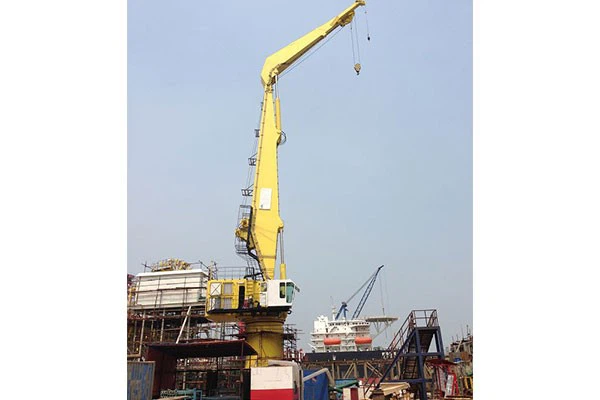
Corrosion Resistance
One of the primary waterproofing requirements for a boom jib structure is corrosion resistance. Corrosion can weaken the structure, compromise its integrity, and lead to costly repairs or replacements. To prevent corrosion, the boom jib structure should be made of materials that are resistant to rust and corrosion, such as stainless steel or galvanized steel. Additionally, a protective coating can be applied to the surface of the structure to provide an extra layer of defense against corrosion.
Sealing and Joints
Proper sealing and joints are essential for preventing water from entering the boom jib structure. All seams, joints, and connections should be sealed using high-quality waterproofing materials, such as gaskets, seals, and caulking. These materials should be able to withstand the environmental conditions and provide a tight seal to prevent water infiltration. Regular inspections should be conducted to ensure that the seals and joints are intact and in good condition.
Drainage Systems
Effective drainage systems are crucial for removing water from the boom jib structure. Standing water can cause corrosion, rust, and other damage to the structure. The boom jib structure should be designed with proper drainage channels and slopes to allow water to flow freely and drain away. Additionally, drainage holes or weep holes can be installed at strategic locations to prevent water from accumulating.
Waterproof Coatings
Applying a waterproof coating to the boom jib structure is an effective way to protect it from water damage. Waterproof coatings can provide a barrier against water, moisture, and other environmental factors. There are various types of waterproof coatings available, including epoxy coatings, polyurethane coatings, and acrylic coatings. The choice of coating will depend on the specific requirements of the boom jib structure and the environmental conditions.
Maintenance and Inspection
Regular maintenance and inspection are essential for ensuring the effectiveness of the waterproofing measures. The boom jib structure should be inspected regularly for signs of water damage, corrosion, or other issues. Any damage or issues should be addressed promptly to prevent further deterioration. Additionally, the waterproofing materials and coatings should be maintained and reapplied as needed to ensure their continued effectiveness.
Case Studies
To illustrate the importance of waterproofing requirements for a boom jib structure, let's consider a few case studies. In one case, a boom jib structure located in a coastal area was not properly waterproofed. Over time, the saltwater corrosion caused significant damage to the structure, leading to structural failure and costly repairs. In another case, a boom jib structure in a rainy climate had poor drainage systems, which resulted in water accumulation and corrosion. By implementing proper waterproofing measures, such as corrosion-resistant materials, sealing and joints, drainage systems, and waterproof coatings, these issues could have been prevented.
Conclusion
In conclusion, waterproofing is a critical requirement for a boom jib structure. By understanding the environment, ensuring corrosion resistance, sealing and joints, implementing effective drainage systems, applying waterproof coatings, and conducting regular maintenance and inspections, the boom jib structure can be protected from water damage and corrosion. As a supplier of Boom Jib Structure, we are committed to providing high-quality products that meet the waterproofing requirements and ensure the longevity and performance of the structure.
If you are interested in learning more about our Boom Jib Structure or have any questions about waterproofing requirements, please feel free to contact us. We would be happy to discuss your specific needs and provide you with a customized solution. Additionally, we also offer other port machinery steel structures and parts, such as Buried Scraper Type Ship Unloader Structure and RTG STS Spreader Block.
References
- ASTM International. (2021). Standard Practice for Preparation of Steel Surfaces for Painting. ASTM D4147.
- NACE International. (2021). Standard Practice for the Application of Protective Coatings to Iron and Steel Structures in Atmospheric Environments. NACE SP0108.
- SSPC: The Society for Protective Coatings. (2021). Surface Preparation and Painting of Iron and Steel Structures. SSPC-PA 2.