

What are the main components of STS RTG Wheel Sheave?
Jun 24, 2025
Hey there! As a supplier of STS RTG Wheel Sheaves, I've been getting a bunch of questions about what makes these things tick. So, I thought I'd break down the main components of an STS RTG Wheel Sheave for you all.
First off, let's talk about the wheel itself. The wheel is the most visible part of the sheave, and it's what actually makes contact with the rail. These wheels are typically made from high - strength steel to withstand the heavy loads that STS RTGs deal with on a daily basis. High - strength steel is chosen because it can handle the stress and wear that comes from continuous operation. You know, these machines are constantly moving containers around ports, so the wheels need to be tough.
The bearing is another crucial component. Bearings are what allow the wheel to rotate smoothly. They're usually of the roller or ball type. Roller bearings are great because they can handle a lot of radial load, which is important considering the weight of the crane and the containers it's moving. Ball bearings, on the other hand, are better at handling high - speed rotations. Depending on the specific requirements of the STS RTG, either type can be used. A well - functioning bearing is essential; if it fails, the wheel won't rotate properly, and that can lead to all sorts of problems down the line.
Now, let's move on to the hub. The hub is the central part of the wheel that connects it to the axle. It's designed to transfer the load from the wheel to the axle and vice versa. The hub is often machined to very precise tolerances to ensure a proper fit with the axle. This precision is key because any misalignment can cause uneven wear on the wheel and bearing, reducing their lifespan.
The axle is what holds the wheel in place and allows it to rotate. Axles are made from strong materials, similar to the wheels, and they need to be able to handle the weight and forces exerted on them. They're usually mounted on the bogie of the STS RTG. The bogie is an important part of the crane that supports the entire structure and allows it to move along the rails. If you're interested in the bogie, you can check out STS RTG Travelling Bogie.
Another component that's often overlooked but is very important is the lubrication system. Proper lubrication is crucial for the smooth operation of the wheel sheave. Lubricants reduce friction between the moving parts, such as the wheel and the bearing. This not only helps the parts last longer but also improves the overall efficiency of the crane. There are different types of lubricants available, and the choice depends on factors like the operating environment and the type of bearing used.
The housing is what encloses the bearing and other internal components. It protects them from dust, dirt, and moisture, which can all cause damage over time. The housing is usually made from a durable material like cast iron or steel. It's designed to be strong enough to withstand the forces acting on it while also providing a secure environment for the internal components.
In addition to these main components, there are also some auxiliary parts. For example, seals are used to keep the lubricant inside the bearing and prevent contaminants from getting in. These seals are usually made from rubber or other elastomeric materials.
Now, let's talk about how these components work together. When the STS RTG is in operation, the load from the crane and the containers is transferred through the axle to the hub and then to the wheel. The bearing allows the wheel to rotate freely, and the lubrication system ensures that there's minimal friction. The housing and seals protect the internal components from external elements.
If you're involved in the port machinery industry, you might also be interested in related products like RTG STS Spreader Block and Twist Lock. These are important parts that work in conjunction with the STS RTG Wheel Sheave to make the entire port operation more efficient.

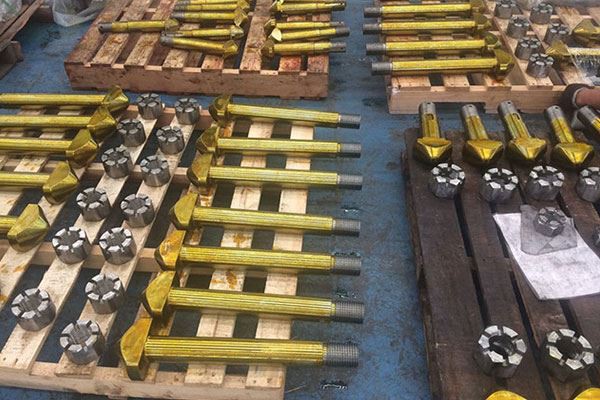
As a supplier, I understand the importance of high - quality components. We source the best materials and use advanced manufacturing processes to ensure that our STS RTG Wheel Sheaves meet the highest standards. Our products are designed to be reliable and long - lasting, which is crucial in a demanding environment like a port.
If you're in the market for STS RTG Wheel Sheaves or any of the related products I mentioned, I'd love to have a chat with you. Whether you have questions about our products, need a quote, or just want to learn more about how they work, don't hesitate to reach out. We're here to help you find the best solutions for your port machinery needs.
In conclusion, the main components of an STS RTG Wheel Sheave - the wheel, bearing, hub, axle, lubrication system, housing, and auxiliary parts - all work together to ensure the smooth and efficient operation of the crane. By understanding these components, you can make more informed decisions when it comes to purchasing and maintaining your port machinery.
References
- Port Machinery Handbook: A comprehensive guide on the various components and operations of port machinery.
- Steel Manufacturer's Technical Data: Information on the properties and applications of high - strength steel used in wheel sheaves.