

What are the best practices for operating a Liner Chute?
Jun 04, 2025
Hey there! As a supplier of Liner Chutes, I've seen firsthand the ins and outs of operating these nifty pieces of equipment. Liner chutes are crucial in various industries, especially those dealing with bulk materials. They help in the smooth and efficient transfer of materials from one point to another. In this blog, I'm gonna share some of the best practices for operating a Liner Chute.
Regular Inspection and Maintenance
First off, regular inspection is a must. You gotta check your Liner Chute on a routine basis. Look for any signs of wear and tear, like cracks or holes in the liner. These can lead to material leakage, which is not only a waste but can also create a safety hazard. A damaged liner can cause uneven flow of materials, leading to blockages and reduced efficiency.
When it comes to maintenance, keep the chute clean. Over time, materials can build up inside the chute, which can affect its performance. Use appropriate cleaning tools and methods to remove any debris. Lubricate the moving parts if your Liner Chute has them. This helps in reducing friction and ensuring smooth operation.
Correct Installation
Proper installation is key. Make sure the Liner Chute is installed at the right angle. The angle affects the flow rate of the materials. If the angle is too steep, the materials might flow too fast, causing abrasion on the liner. On the other hand, if it's too shallow, the materials might not flow at all, leading to blockages.
Also, ensure that the chute is securely fastened. Loose connections can lead to vibrations, which can damage the chute and cause noise. Follow the manufacturer's instructions carefully during installation. If you're not sure, don't hesitate to ask for help. Our team of experts can assist you in getting the installation right.
Material Compatibility
Another important aspect is material compatibility. Different liners are designed for different types of materials. For example, if you're dealing with abrasive materials, you need a liner that can withstand the wear. Using the wrong liner can result in premature failure.
Understand the properties of the materials you're handling, such as their size, shape, density, and abrasiveness. Based on these properties, choose the appropriate liner material. We offer a wide range of liner materials to suit different applications. Whether you need a high - density polyethylene liner for its smooth surface or a rubber liner for its shock - absorbing properties, we've got you covered.
Flow Control
Controlling the flow of materials is crucial. You don't want a sudden rush of materials that can overload the chute. Use flow control devices like gates or valves. These devices allow you to regulate the amount of material entering the chute at any given time.
Monitor the flow rate regularly. If you notice any changes in the flow rate, it could be a sign of a problem. It could be due to a blockage, a damaged liner, or an issue with the flow control device. Investigate and address the problem promptly to avoid further damage.
Operator Training
Make sure your operators are well - trained. They should know how to operate the Liner Chute safely and efficiently. Provide them with proper training on the equipment's features, functions, and safety procedures.
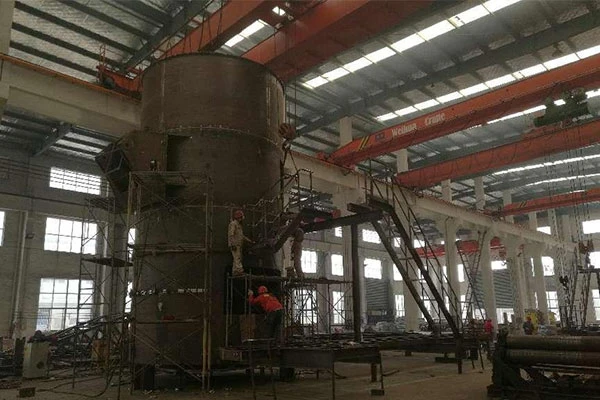

Train them on how to perform basic inspections and maintenance tasks. They should also know what to do in case of an emergency. A well - trained operator can spot potential problems early and take appropriate action, which can save you time and money in the long run.
Integration with Other Equipment
Liner Chutes often work in conjunction with other equipment, such as Pneumatic Ship Unloader Strucuture, Bulk Handling Machinery, and Ore Bin. Ensure that the Liner Chute is properly integrated with these other pieces of equipment.
The flow of materials between different equipment should be seamless. Any misalignment or incompatibility can lead to inefficiencies and breakdowns. Work with your equipment suppliers to ensure that all the components work together harmoniously.
Safety Measures
Safety should always be a top priority. Install safety guards around the Liner Chute to prevent accidental contact with moving parts. Provide appropriate personal protective equipment (PPE) for your operators, such as gloves, safety glasses, and hard hats.
Have emergency stop buttons easily accessible. Make sure your operators know where they are and how to use them. Regularly test the safety features of the Liner Chute to ensure they are working properly.
Monitoring and Data Collection
Use monitoring systems to keep track of the performance of your Liner Chute. You can monitor parameters like temperature, pressure, and flow rate. Collecting data over time can help you identify trends and predict potential problems.
Analyze the data to make informed decisions about maintenance and upgrades. For example, if you notice that the temperature of the chute is increasing over time, it could be a sign of excessive friction, and you might need to check the liner or the lubrication.
Upgrades and Improvements
As technology advances, consider upgrading your Liner Chute. Newer liner materials and designs can offer better performance and longer lifespan. You might also want to upgrade the flow control devices or monitoring systems.
Stay in touch with us, your Liner Chute supplier. We're always up - to - date with the latest industry trends and can recommend the best upgrades for your specific needs.
In conclusion, operating a Liner Chute effectively requires a combination of regular inspection, proper installation, material compatibility, flow control, operator training, and safety measures. By following these best practices, you can ensure the smooth and efficient operation of your Liner Chute, which will ultimately save you time and money.
If you're interested in learning more about our Liner Chutes or have any questions about operating them, feel free to reach out. We're here to help you make the most of your bulk material handling operations. Whether you're in the mining, construction, or manufacturing industry, we've got the expertise and products to meet your needs. Contact us today to start a discussion about your requirements and see how we can assist you in getting the best performance from your Liner Chute.
References
- Industry standards for bulk material handling equipment
- Manufacturer's manuals for Liner Chutes
- Research papers on chute design and operation