

What are the acoustic properties of a shaft flange?
Aug 08, 2025
Hey there! I'm a supplier of shaft flanges, and today I wanna chat about the acoustic properties of these nifty components. Shaft flanges are everywhere in the industrial world, used in all sorts of machinery to connect shafts and transmit power. But did you know they also have some interesting acoustic characteristics? Let's dive in and explore.
Understanding Shaft Flanges
First off, let's quickly go over what a shaft flange is. It's a flat, circular disc with holes around the edge. The holes are used to bolt the flange to another flange or a piece of equipment, creating a secure connection between two shafts. Shaft flanges come in different sizes, materials, and designs, depending on their intended use.
Acoustic Basics
Before we get into the acoustic properties of shaft flanges, let's understand a bit about acoustics. Sound is basically vibrations that travel through a medium, like air or a solid material. When an object vibrates, it creates pressure waves that our ears perceive as sound. The way these waves behave depends on the properties of the object and the medium they're traveling through.
Acoustic Properties of Shaft Flanges
Vibration and Resonance
One of the key acoustic properties of a shaft flange is its vibration behavior. When a shaft rotates, it can cause the flange to vibrate. These vibrations can generate sound waves. The frequency and amplitude of these vibrations depend on several factors, such as the speed of the shaft, the mass of the flange, and the stiffness of the material.
Resonance is another important aspect. Every object has a natural frequency at which it vibrates most easily. When the frequency of the external force (like the rotation of the shaft) matches the natural frequency of the flange, resonance occurs. This can lead to a significant increase in the amplitude of the vibrations and, consequently, a louder sound. For example, if a shaft is rotating at a speed that causes the flange to resonate, it can produce a high - pitched, annoying noise.
Sound Transmission
Shaft flanges can also act as a pathway for sound transmission. When vibrations occur in one part of a machine, they can travel through the flange to other components. This is known as structure - borne sound. The material of the flange plays a big role in how well it transmits sound. For instance, metal flanges are generally good conductors of sound, while some composite materials may be better at dampening vibrations and reducing sound transmission.
Sound Absorption
Some shaft flanges are designed to absorb sound. This can be achieved by using materials with good sound - absorbing properties or by adding special coatings or treatments to the flange. Sound absorption helps to reduce the overall noise level in the surrounding environment. For example, in a factory where there are multiple machines with shaft flanges, using sound - absorbing flanges can make the workplace a lot quieter.
Factors Affecting Acoustic Properties
Material
The material of the shaft flange has a huge impact on its acoustic properties. Metals like steel are commonly used for their strength and durability. However, steel is also a good conductor of sound, so it can transmit vibrations easily. On the other hand, materials like rubber or certain polymers have better sound - dampening properties. They can absorb vibrations and reduce the amount of sound that's generated or transmitted.
Design
The design of the shaft flange can also influence its acoustic behavior. For example, a flange with a more complex shape may have different vibration modes compared to a simple, flat flange. Additionally, the number and size of the holes in the flange can affect its stiffness and, therefore, its acoustic properties. Holes can act as weak points, changing the way the flange vibrates and transmits sound.
Installation
Proper installation is crucial for controlling the acoustic properties of a shaft flange. If a flange is not installed correctly, it can cause uneven loading and increased vibrations. For example, if the bolts are not tightened evenly, it can lead to misalignment, which in turn can cause excessive vibrations and noise.
Importance in Industrial Applications
In industrial settings, the acoustic properties of shaft flanges are important for several reasons. Firstly, excessive noise can be a safety hazard. It can cause hearing damage to workers and also make it difficult to communicate in the workplace. Secondly, noise can be a sign of a problem with the machinery. Unusual or loud noises from a shaft flange may indicate misalignment, wear and tear, or other mechanical issues. By monitoring the acoustic properties of the flanges, maintenance teams can detect problems early and prevent costly breakdowns.
Related Products in the Industry
In the port machinery industry, there are other products that also have interesting acoustic and mechanical properties. For example, Twist Lock is used to secure containers on ships and in port facilities. These locks need to be sturdy and reliable, and their acoustic properties can also play a role in their performance.

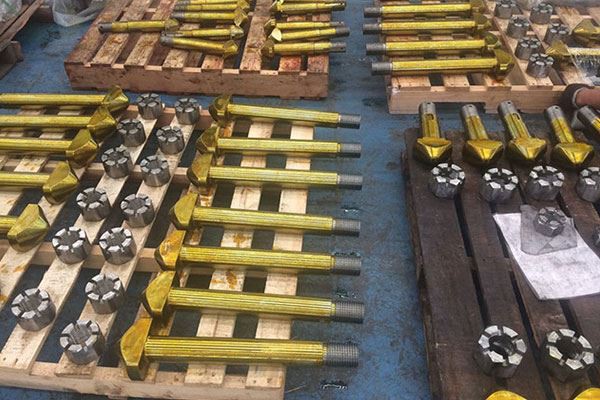
Another product is the Ship To Shore Crane STS Structure and Parts. These cranes are large and complex machines. The components, including any shaft flanges they may have, need to be designed to minimize noise and vibration to ensure smooth operation.
The Buried Scraper Type Ship Unloader Structure is also an important piece of port machinery. It involves moving parts and shaft connections, where the acoustic properties of the flanges can affect the overall noise level and performance of the unloader.
Controlling Acoustic Properties
If you're dealing with noisy shaft flanges, there are several ways to control their acoustic properties. One option is to change the material of the flange. As mentioned earlier, using a material with better sound - dampening properties can reduce noise. Another approach is to add damping elements, such as rubber pads or isolators, between the flange and the connected components. These elements can absorb vibrations and prevent them from being transmitted.
Proper maintenance is also essential. Regularly checking the alignment of the shafts and the tightness of the bolts can help prevent excessive vibrations. If resonance is a problem, you may need to adjust the speed of the shaft or modify the design of the flange to change its natural frequency.
Conclusion
So, there you have it! The acoustic properties of a shaft flange are quite complex and can have a significant impact on the performance and noise level of a machine. As a shaft flange supplier, I understand the importance of these properties and work hard to provide high - quality flanges that meet the acoustic requirements of different applications.
If you're in the market for shaft flanges or have any questions about their acoustic properties, I'd love to chat. Whether you're working on a small industrial machine or a large port - related project, I can help you find the right flange for your needs. Contact me for a quote and let's start a conversation about how we can work together to get the best results for your machinery.
References
- "Mechanical Vibrations" by Singiresu S. Rao
- "Acoustics: An Introduction" by Mark F. Hamilton