

How to maintain STS RTG Wheel Sheave?
Jun 30, 2025
Maintaining STS RTG wheel sheaves is crucial for the efficient and safe operation of port machinery. As a supplier of STS RTG wheel sheaves, I understand the significance of proper maintenance to ensure the longevity and performance of these essential components. In this blog post, I will share some valuable insights and practical tips on how to maintain STS RTG wheel sheaves effectively.
Understanding STS RTG Wheel Sheaves
Before delving into maintenance procedures, it's important to have a basic understanding of what STS RTG wheel sheaves are and how they function. STS (Ship-to-Shore) and RTG (Rubber-Tired Gantry) cranes are commonly used in ports for loading and unloading containers. The wheel sheaves are an integral part of these cranes, serving as the guiding and support mechanism for the ropes or cables that lift and move the containers.
The wheel sheaves are typically made of high-quality steel or other durable materials to withstand the heavy loads and constant friction associated with crane operations. They are designed to rotate smoothly, reducing wear and tear on the ropes and ensuring efficient power transmission.
Regular Inspection
Regular inspection is the cornerstone of effective maintenance for STS RTG wheel sheaves. By conducting routine checks, you can identify potential issues early on and take proactive measures to prevent costly breakdowns and accidents. Here are some key aspects to focus on during inspections:
Visual Inspection
- Check for Wear and Tear: Look for signs of excessive wear on the sheave surface, such as grooves, cracks, or unevenness. These can indicate that the sheave is nearing the end of its service life or that there is a problem with the rope or cable tension.
- Inspect the Bearing: Examine the bearing for any signs of damage, such as corrosion, pitting, or excessive play. A worn or damaged bearing can cause the sheave to rotate unevenly, leading to increased wear on the ropes and other components.
- Examine the Mounting Bolts: Ensure that the mounting bolts are tight and secure. Loose bolts can cause the sheave to shift or vibrate, which can also lead to premature wear and damage.
Functional Inspection
- Test the Rotation: Rotate the sheave by hand to check for smoothness and freedom of movement. Any resistance or binding could indicate a problem with the bearing or the sheave itself.
- Check the Rope or Cable Alignment: Make sure that the rope or cable is properly aligned with the sheave groove. Misaligned ropes can cause excessive wear on the sheave and increase the risk of rope failure.
Lubrication
Proper lubrication is essential for reducing friction and wear on STS RTG wheel sheaves. Lubricants help to protect the sheave surface and the bearing, extending their service life and ensuring smooth operation. Here are some tips for lubricating wheel sheaves:
- Use the Right Lubricant: Select a lubricant that is specifically designed for use in high-load, high-speed applications. Consult the manufacturer's recommendations or a lubrication expert to determine the best lubricant for your specific sheave.
- Apply Lubricant Regularly: Follow the manufacturer's guidelines for lubrication intervals. In general, wheel sheaves should be lubricated at least once a month or more frequently in harsh operating conditions.
- Clean the Sheave Before Lubrication: Remove any dirt, debris, or old lubricant from the sheave surface before applying new lubricant. This will ensure that the lubricant can penetrate the bearing and other components effectively.
Alignment and Tension
Proper alignment and tension of the ropes or cables are critical for the optimal performance of STS RTG wheel sheaves. Misaligned ropes or incorrect tension can cause excessive wear on the sheave and other components, as well as reduce the efficiency of the crane. Here are some guidelines for ensuring proper alignment and tension:
Alignment
- Check the Sheave Alignment: Use a straightedge or a laser alignment tool to ensure that the sheave is properly aligned with the rope or cable path. Any misalignment should be corrected immediately to prevent further damage.
- Inspect the Rope Guide: Make sure that the rope guide is in good condition and properly positioned to guide the rope or cable onto the sheave. A damaged or misaligned rope guide can cause the rope to rub against the sheave or other components, leading to premature wear.
Tension
- Measure the Rope Tension: Use a tension meter to measure the tension of the ropes or cables. The tension should be within the manufacturer's recommended range. If the tension is too high or too low, adjust it accordingly.
- Check for Uneven Tension: Ensure that the tension is evenly distributed across all ropes or cables. Uneven tension can cause the sheaves to wear unevenly and increase the risk of rope failure.
Replacement
Despite your best efforts, STS RTG wheel sheaves will eventually wear out and need to be replaced. Knowing when to replace a sheave is crucial for maintaining the safety and efficiency of your crane. Here are some signs that indicate it's time to replace a sheave:
- Excessive Wear: If the sheave surface has significant grooves, cracks, or unevenness, it's likely that the sheave is nearing the end of its service life and should be replaced.
- Bearing Failure: A worn or damaged bearing can cause the sheave to rotate unevenly or make noise. If the bearing cannot be repaired, the sheave should be replaced.
- Rope or Cable Damage: If the rope or cable shows signs of excessive wear or damage, it's important to check the sheave for any corresponding damage. In some cases, the sheave may need to be replaced to prevent further rope or cable failure.
When replacing a sheave, it's important to use a high-quality replacement part that is compatible with your crane. You can find a wide range of STS RTG Wheel Sheaves and other port machinery components on our website.

Additional Components and Considerations
In addition to the wheel sheaves themselves, there are several other components and factors that can affect the performance and maintenance of STS RTG cranes. Here are some additional items to keep in mind:
Shaft Flange
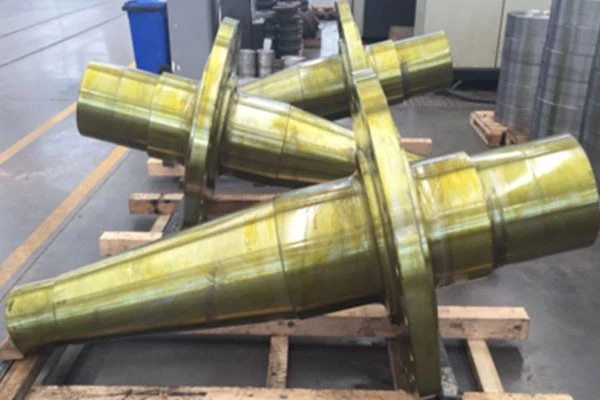
The Shaft Flange is an important component that connects the sheave to the shaft. It is essential to ensure that the shaft flange is properly installed and tightened to prevent any movement or misalignment. Regularly inspect the shaft flange for signs of wear or damage, and replace it if necessary.
Staddle Carrier Structure
The Staddle Carrier Structure provides support for the crane and the wheel sheaves. It is important to maintain the staddle carrier structure in good condition to ensure the stability and safety of the crane. Regularly inspect the structure for signs of corrosion, cracks, or other damage, and perform any necessary repairs or maintenance.
Conclusion
Maintaining STS RTG wheel sheaves is a critical aspect of ensuring the safe and efficient operation of port machinery. By following the tips and guidelines outlined in this blog post, you can extend the service life of your wheel sheaves, reduce the risk of breakdowns and accidents, and improve the overall performance of your crane.
If you have any questions or need further information about STS RTG wheel sheaves or other port machinery components, please don't hesitate to contact us. We are a leading supplier of high-quality port machinery parts and are committed to providing our customers with the best products and services. Whether you are in need of a replacement sheave, a complete crane system, or just some expert advice, we are here to help. Contact us today to start a conversation about your specific needs and how we can assist you in your procurement process.
References
- Manufacturer's manuals and specifications for STS RTG cranes and wheel sheaves.
- Industry standards and best practices for port machinery maintenance.
- Technical articles and research papers on crane maintenance and reliability.