

How to improve the efficiency of a ship loader structure?
Nov 06, 2025
In the dynamic landscape of the shipping and port industry, the efficiency of ship loader structures stands as a pivotal factor influencing overall operational performance. As a seasoned Ship Loader Structure supplier, I've witnessed firsthand the transformative impact that optimized ship loader designs can have on a port's productivity, cost - effectiveness, and environmental footprint. In this blog, I'll share some key strategies and insights on how to improve the efficiency of a ship loader structure.
1. Advanced Design and Engineering
The foundation of an efficient ship loader structure lies in its design. Leveraging the latest engineering software and techniques, we can create ship loaders that are not only robust but also highly optimized for specific tasks. For example, using finite element analysis (FEA), we can precisely calculate the stress distribution across the structure, enabling us to reduce material usage without compromising strength. This not only cuts down on manufacturing costs but also makes the ship loader lighter, which in turn reduces energy consumption during operation.
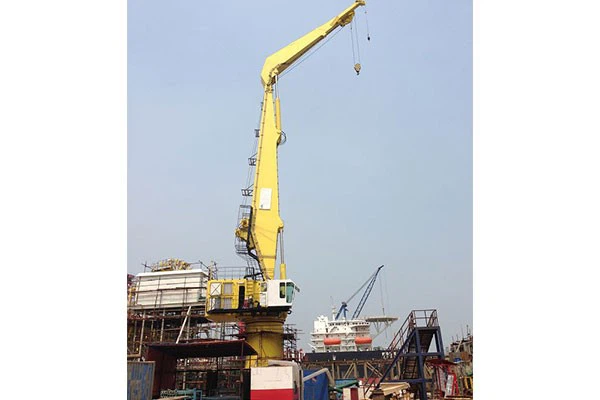
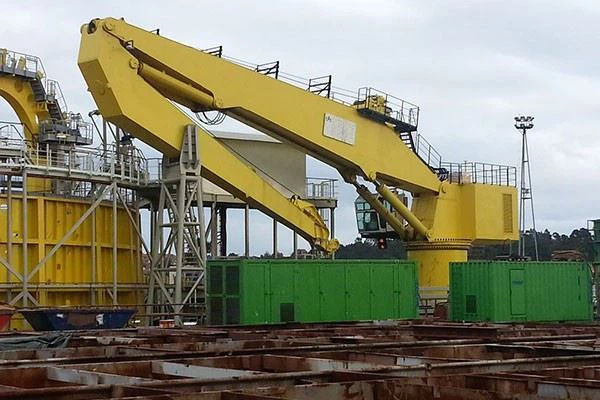
When it comes to the design of specific components, the Boom Jib Structure plays a crucial role. A well - designed boom jib can provide greater reach and flexibility, allowing the ship loader to access different parts of the ship's hold more efficiently. By optimizing the shape and dimensions of the boom jib, we can also improve its lifting capacity and stability, which are essential for high - speed and accurate loading operations.
2. Automation and Control Systems
Automation is revolutionizing the shipping industry, and ship loaders are no exception. Implementing advanced automation and control systems can significantly enhance the efficiency of ship loader structures. For instance, automated positioning systems can accurately align the ship loader with the ship's hold, reducing the time spent on manual adjustments. These systems use sensors and algorithms to detect the position and orientation of the ship, and then automatically adjust the position of the loader accordingly.
In addition, automated loading algorithms can optimize the loading sequence to ensure that the ship is loaded evenly and efficiently. By taking into account factors such as the weight and distribution of the cargo, as well as the ship's stability requirements, these algorithms can minimize the number of loading cycles and reduce the overall loading time. Some modern ship loaders are also equipped with real - time monitoring systems that can detect any anomalies or malfunctions in the structure or the loading process. This allows for immediate corrective actions to be taken, preventing costly downtime and ensuring continuous operation.
3. Material Handling and Conveyor Systems
The efficiency of a ship loader is also closely related to its material handling and conveyor systems. A well - designed conveyor system can transport the cargo from the storage area to the ship's hold quickly and smoothly. To achieve this, we need to select the right type of conveyor based on the characteristics of the cargo, such as its size, shape, and density.
For example, the Buried Scraper Type Ship Unloader Structure is an excellent choice for handling bulk materials such as coal, grain, and ore. This type of structure uses a buried scraper conveyor to move the cargo, which is highly efficient and can handle large volumes of material. By optimizing the conveyor's speed, capacity, and layout, we can further improve the overall efficiency of the ship loader.
4. Maintenance and Upgrades
Regular maintenance is essential for keeping a ship loader structure operating at peak efficiency. A well - maintained structure is less likely to experience breakdowns or malfunctions, which can lead to costly downtime. We recommend implementing a comprehensive maintenance plan that includes regular inspections, lubrication, and replacement of worn - out parts.
In addition to maintenance, periodic upgrades can also enhance the efficiency of the ship loader. As technology advances, new components and systems become available that can improve the performance of the structure. For example, upgrading the control system to a more advanced version can provide better automation and monitoring capabilities. Upgrading the conveyor system to a higher - capacity or more energy - efficient model can also increase the overall throughput of the ship loader.
5. Training and Operator Skills
The skills and knowledge of the operators also play a significant role in the efficiency of a ship loader structure. Well - trained operators can operate the ship loader more effectively, making better use of its features and capabilities. We offer comprehensive training programs for our customers' operators, covering topics such as equipment operation, safety procedures, and troubleshooting.
During the training, operators learn how to optimize the loading process, how to handle different types of cargo, and how to respond to various situations that may arise during operation. By investing in operator training, we can ensure that the ship loader is used to its full potential, leading to increased efficiency and productivity.
6. Integration with Port Infrastructure
A ship loader does not operate in isolation; it is an integral part of the port infrastructure. To improve its efficiency, we need to ensure that it is well - integrated with other port facilities, such as storage areas, transport systems, and berthing facilities.
For example, the layout of the port should be designed in such a way that the ship loader can easily access the cargo storage areas and the ships. The transport systems, such as trucks and trains, should be coordinated with the ship loader to ensure a smooth flow of cargo. In addition, the berthing facilities should be able to accommodate the size and type of ships that the ship loader is designed to serve. By optimizing the integration of the ship loader with the port infrastructure, we can reduce the overall turnaround time of the ships and improve the efficiency of the entire port.
7. Energy Efficiency
In today's world, energy efficiency is a top priority for many industries, including the shipping and port industry. An energy - efficient ship loader structure can not only reduce operating costs but also have a positive impact on the environment. We can improve the energy efficiency of a ship loader in several ways.
First, as mentioned earlier, by using lightweight materials in the design of the structure, we can reduce the energy required to move the loader. Second, we can install energy - efficient motors and drives in the conveyor and other systems. These motors and drives can adjust their power consumption based on the actual load, reducing energy waste. Third, implementing regenerative braking systems can recover energy during the deceleration of the loader, which can then be reused to power other components.
In conclusion, improving the efficiency of a ship loader structure is a multi - faceted endeavor that requires a combination of advanced design, automation, proper maintenance, operator training, and integration with the port infrastructure. As a Ship Loader Structure supplier, we are committed to providing our customers with high - quality, efficient, and reliable ship loader solutions. If you are interested in learning more about our products or discussing your specific requirements, we invite you to contact us for procurement and negotiation. We look forward to working with you to enhance the efficiency of your port operations.
References
- Smith, J. (2018). Advanced Engineering in Port Machinery. Maritime Press.
- Johnson, M. (2019). Automation in the Shipping Industry. Logistics Journal.
- Brown, A. (2020). Energy Efficiency in Port Operations. Environmental Shipping Review.