

How is the height of a ship crane structure determined?
Dec 08, 2025
Determining the height of a ship crane structure is a complex yet crucial aspect in the maritime and offshore industries. As a leading supplier of Ship Crane Structures, we understand the significance of getting this measurement right. This blog post will delve into the various factors that influence the determination of a ship crane's height, offering insights based on our years of experience and industry knowledge.
Operational Requirements
One of the primary considerations when determining the height of a ship crane structure is the operational requirements. The crane's height must be sufficient to reach the required lifting points on the ship or the cargo. For instance, if the crane is used for loading and unloading containers from large container ships, it needs to be tall enough to clear the stack of containers on the deck. The height also affects the crane's outreach, which is the horizontal distance from the center of the crane to the lifting point. A taller crane generally has a greater outreach, allowing it to access cargo in different positions on the ship.
In addition to reaching the cargo, the crane's height must also accommodate the vertical movement of the lifting equipment. This includes the hook, ropes, and any other attachments used for lifting. The height should be such that the lifting equipment can be fully extended without hitting the ship's deck or other structures. This ensures smooth and efficient operation of the crane.
Ship Design and Dimensions
The design and dimensions of the ship itself play a significant role in determining the height of the crane structure. Different types of ships have different deck heights, superstructure layouts, and cargo handling requirements. For example, bulk carriers may have a lower deck height compared to container ships, which means the crane height can be adjusted accordingly.
The position of the crane on the ship also affects its height. If the crane is installed on the aft or forward part of the ship, it may need to be taller to avoid interference with the ship's superstructure. On the other hand, if it is installed in the middle of the ship, the height requirements may be different. Our company offers a range of Offshore Steel Structure solutions that can be customized to fit the specific design and dimensions of your ship.
Cargo Characteristics
The type and size of the cargo being handled by the crane are important factors in determining its height. Heavy and large cargoes may require a taller crane to provide the necessary lifting capacity and stability. For example, if the crane is used to lift large pieces of machinery or equipment, it needs to be tall enough to lift the cargo safely and without any risk of tipping over.
The shape of the cargo also matters. Irregularly shaped cargoes may require a crane with a more flexible lifting mechanism and a greater height to ensure proper handling. Our Self-unloader Structure and Deck Type Self-unloader Structure are designed to handle a wide variety of cargoes, and we can adjust the crane height based on your specific cargo requirements.
Environmental Conditions
The environmental conditions in which the ship operates can have a significant impact on the height of the crane structure. Wind, waves, and sea currents can create additional forces on the crane, which need to be taken into account when determining its height. In areas with strong winds, for example, a taller crane may be more susceptible to wind-induced vibrations and instability. Therefore, the height of the crane may need to be adjusted to ensure its safety and reliability in such conditions.
The water depth at the ports where the ship operates is another important environmental factor. If the ship operates in shallow waters, the crane height may need to be limited to avoid hitting the seabed. On the other hand, in deep waters, a taller crane may be required to reach the cargo at the appropriate height.
Safety and Regulatory Requirements
Safety is of utmost importance in the maritime industry, and the height of the ship crane structure must comply with various safety and regulatory requirements. These requirements are put in place to ensure the safety of the crew, the cargo, and the ship itself. For example, there may be regulations regarding the maximum height of the crane to prevent it from interfering with navigation aids or other ships in the vicinity.
In addition to safety regulations, there may also be requirements related to the structural integrity of the crane. The crane structure must be able to withstand the loads and forces it is subjected to during operation, including the weight of the cargo, the wind forces, and the dynamic forces caused by the movement of the ship. Our company adheres to all relevant safety and regulatory standards when designing and manufacturing our ship crane structures.
Structural Design and Engineering
The structural design and engineering of the crane structure are crucial in determining its height. A well-designed crane structure should be able to support the weight of the crane and the cargo without excessive deflection or deformation. The choice of materials, the design of the frame, and the connection details all play a role in the overall strength and stability of the crane.
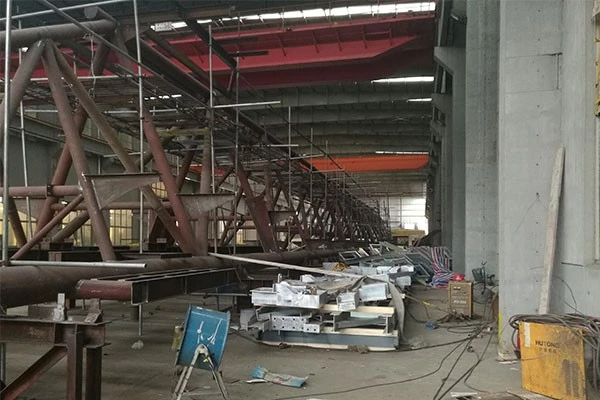

Advanced engineering techniques and computer simulations are often used to optimize the design of the crane structure. These techniques allow us to analyze the performance of the crane under different loading conditions and to make adjustments to the height and other design parameters as needed. Our team of experienced engineers uses the latest software and tools to ensure that our ship crane structures are designed to meet the highest standards of quality and performance.
Cost Considerations
Cost is always a factor in any engineering project, and the height of the ship crane structure is no exception. A taller crane generally requires more materials and more complex engineering, which can increase the cost of the crane. Therefore, it is important to find a balance between the required height and the cost.
Our company offers a range of cost-effective solutions for ship crane structures. We work closely with our customers to understand their specific requirements and to provide them with the most suitable crane design at a competitive price. By optimizing the design and using efficient manufacturing processes, we are able to offer high-quality crane structures at a reasonable cost.
Conclusion
Determining the height of a ship crane structure is a multi-faceted process that involves considering a variety of factors, including operational requirements, ship design, cargo characteristics, environmental conditions, safety and regulatory requirements, structural design, and cost. As a leading supplier of Ship Crane Structures, we have the expertise and experience to help you determine the optimal height for your crane based on your specific needs.
If you are in the market for a ship crane structure, we invite you to contact us for a consultation. Our team of experts will be happy to discuss your requirements and to provide you with a customized solution that meets your needs and budget. We look forward to working with you to ensure the success of your maritime project.
References
- Marine Engineering Handbook, various editions
- International Maritime Organization (IMO) regulations
- American Bureau of Shipping (ABS) standards