

How do I choose the right location for a coal bunker on my property?
Oct 28, 2025
When it comes to operating a coal bunker on your property, one of the most crucial decisions you'll make is choosing the right location. As a coal bunker supplier, I've witnessed firsthand the impact that a well - chosen location can have on the efficiency, safety, and longevity of a coal bunker. In this blog post, I'll share some key considerations to help you make an informed decision.
Accessibility
First and foremost, accessibility is of utmost importance. You need to ensure that the coal bunker is easily reachable for both delivery trucks and maintenance personnel. Delivery trucks carrying coal are often large and require sufficient space to maneuver. A location with a wide and straight access route is ideal. For instance, if your property has a narrow driveway or is blocked by obstacles, it can cause delays in coal delivery and increase the risk of damage to the truck or the surrounding area.
When considering accessibility for maintenance, think about how easy it will be for technicians to reach all parts of the coal bunker. There should be enough space around the bunker for them to perform routine inspections, repairs, and cleaning. If the bunker is located in a cramped corner or is surrounded by other structures, it can be extremely challenging and time - consuming for maintenance work.
Proximity to Usage Areas
Another significant factor is the proximity to the areas where the coal will be used. If you're using the coal for heating in a building, placing the coal bunker as close as possible to the heating system can reduce the effort and cost of transporting the coal. For example, if you have a large industrial facility with multiple boilers, locating the coal bunker near the boiler room can save a considerable amount of labor and time in moving the coal from the bunker to the boilers.
However, you also need to balance this proximity with safety concerns. There should be a safe distance between the coal bunker and any ignition sources, such as open flames or electrical equipment that could potentially cause a fire. Local building codes and safety regulations will usually specify the minimum safe distances, so it's essential to check and comply with these requirements.

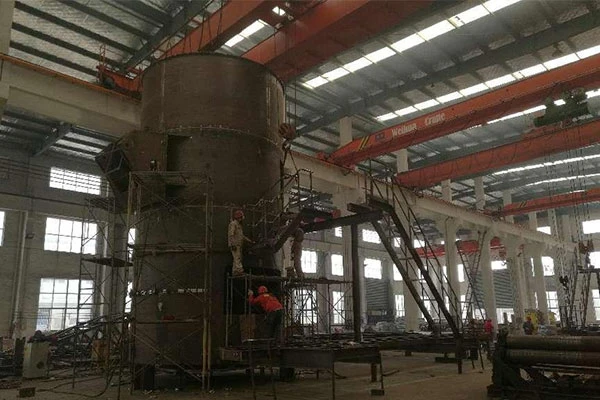
Terrain and Drainage
The terrain of the chosen location plays a vital role. The ground should be level and stable to support the weight of the coal bunker, especially when it's fully loaded. Uneven ground can cause the bunker to tilt, which may lead to structural damage over time. If the ground is soft or unstable, you may need to take additional measures such as installing a concrete foundation to provide a solid base for the bunker.
Drainage is equally important. Coal is highly susceptible to moisture, and if water accumulates around or inside the bunker, it can cause the coal to clump, reduce its heating efficiency, and even lead to corrosion of the bunker structure. Therefore, the location should have proper drainage to ensure that rainwater and other forms of moisture can flow away from the bunker. A sloped terrain or a well - designed drainage system can help achieve this.
Environmental Considerations
Environmental factors also need to be taken into account. Coal dust is a common by - product, and you should choose a location that minimizes the impact of coal dust on the surrounding environment. Avoid placing the bunker near residential areas, schools, or other sensitive locations where the dust could cause health problems for people.
Wind direction is another crucial aspect. You should position the coal bunker in such a way that prevailing winds blow the dust away from populated areas and sensitive ecosystems. Additionally, consider the impact on local wildlife and vegetation. If possible, choose a location that has minimal disruption to natural habitats.
Safety and Regulatory Requirements
Safety is always a top priority. You must comply with all local, state, and federal regulations regarding the installation and operation of a coal bunker. These regulations may cover aspects such as fire safety, structural integrity, and environmental protection. For example, some areas may require the installation of fire - suppression systems around the coal bunker, or they may have specific requirements for the construction materials used.
It's also important to consider the risk of flooding, especially if your property is located in a flood - prone area. You may need to elevate the coal bunker or take other flood - prevention measures to protect the coal and the bunker structure.
Space for Expansion
If you anticipate future growth or an increase in coal consumption, it's wise to choose a location that allows for potential expansion of the coal bunker. This could involve leaving enough space around the current bunker for adding additional storage capacity or for upgrading the existing equipment. Planning for expansion from the start can save you a lot of time and money in the long run.
Integration with Other Equipment
If your coal bunker will be integrated with other bulk - handling equipment such as Bulk Handling Machinery, Pneumatic Ship Unloader Strucuture, or Receiving/distribution Hopper, the location should be carefully chosen to ensure seamless operation. The layout should allow for easy transfer of coal between different pieces of equipment, minimizing the need for complex conveyor systems or additional handling steps.
Cost - Benefit Analysis
Finally, conducting a cost - benefit analysis is essential. While some locations may seem ideal from a technical perspective, they may come with a high cost, such as the need for extensive site preparation or the purchase of additional land. On the other hand, a cheaper location may have drawbacks that could lead to higher operating costs or safety risks in the long term. You need to weigh all these factors to find the location that offers the best balance between cost and functionality.
In conclusion, choosing the right location for a coal bunker on your property is a complex decision that requires careful consideration of multiple factors. By taking into account accessibility, proximity to usage areas, terrain and drainage, environmental concerns, safety and regulatory requirements, space for expansion, integration with other equipment, and cost - benefit analysis, you can ensure that your coal bunker operates efficiently, safely, and cost - effectively.
If you're in the process of selecting a location for a coal bunker or have any questions about our coal bunker products, we'd be more than happy to assist you. Feel free to reach out to us for a detailed consultation and to discuss your specific needs. Our team of experts is ready to help you make the best decision for your property.
References
- "Coal Handling and Storage Best Practices" - Industry Report on Coal Management
- Local Building and Safety Codes for Coal Bunker Installation
- Environmental Impact Studies on Coal Dust Emissions