

Can a shaft flange be used in a corrosive chemical environment?
Nov 27, 2025
As a shaft flange supplier, I often encounter inquiries from clients working in various industrial settings. One question that frequently arises is whether a shaft flange can be used in a corrosive chemical environment. This is a crucial concern, as the performance and longevity of equipment depend significantly on the compatibility of its components with the surrounding conditions. In this blog, I will delve into the factors that determine the suitability of shaft flanges for corrosive chemical environments, explore potential solutions, and share insights based on my experience in the industry.
Understanding Corrosion in Chemical Environments
Corrosion is a natural process that occurs when metals react with their environment, leading to the deterioration of the metal over time. In a chemical environment, corrosion can be accelerated due to the presence of aggressive chemicals, such as acids, bases, salts, and oxidizing agents. These chemicals can react with the metal surface, causing it to lose its protective oxide layer and expose the underlying metal to further attack.
The rate and severity of corrosion depend on several factors, including the type of metal, the composition and concentration of the chemicals, the temperature, the pH level, and the presence of other contaminants. Different metals have different levels of resistance to corrosion, with some being more prone to attack than others. For example, carbon steel is a commonly used material for shaft flanges, but it is relatively susceptible to corrosion in many chemical environments. On the other hand, stainless steel, which contains chromium and other alloying elements, has better corrosion resistance due to the formation of a passive oxide layer on its surface.
Factors Affecting the Suitability of Shaft Flanges in Corrosive Chemical Environments
When considering the use of shaft flanges in a corrosive chemical environment, several factors need to be taken into account:
Material Selection
The choice of material is one of the most critical factors in determining the corrosion resistance of shaft flanges. As mentioned earlier, stainless steel is a popular choice for applications in corrosive environments due to its excellent corrosion resistance. There are different grades of stainless steel available, each with its own unique properties and levels of resistance to specific chemicals. For example, 304 stainless steel is suitable for many general-purpose applications, while 316 stainless steel, which contains molybdenum, offers enhanced resistance to chloride-induced corrosion and is often used in marine and chemical processing industries.
In addition to stainless steel, other materials such as titanium, nickel alloys, and plastics can also be used for shaft flanges in highly corrosive environments. Titanium is known for its exceptional corrosion resistance, especially in acidic and chloride-containing solutions. Nickel alloys, such as Hastelloy and Inconel, offer high strength and excellent resistance to a wide range of corrosive chemicals, making them suitable for demanding applications. Plastics, such as polyethylene and polypropylene, are non-metallic materials that are inherently resistant to corrosion and can be used in applications where metal corrosion is a concern.
Surface Treatment
Surface treatment can also play a significant role in improving the corrosion resistance of shaft flanges. One common surface treatment method is coating, which involves applying a protective layer to the surface of the flange to prevent direct contact between the metal and the corrosive environment. There are different types of coatings available, including paint, epoxy, and ceramic coatings. Paint coatings are relatively inexpensive and can provide good protection against mild corrosion, but they may require regular maintenance and reapplication. Epoxy coatings offer better chemical resistance and durability, making them suitable for more severe corrosive environments. Ceramic coatings, on the other hand, provide excellent wear and corrosion resistance and can withstand high temperatures and abrasive conditions.
Another surface treatment method is passivation, which is a chemical process that removes free iron from the surface of stainless steel and forms a thin, protective oxide layer. Passivation can improve the corrosion resistance of stainless steel flanges and make them more resistant to staining and pitting.
Design Considerations
The design of the shaft flange can also affect its performance in a corrosive chemical environment. For example, the shape and geometry of the flange can influence the flow of the corrosive fluid and the accumulation of contaminants. A flange with smooth surfaces and rounded edges is less likely to trap corrosive chemicals and debris, reducing the risk of corrosion. Additionally, the use of proper gaskets and seals can help prevent leakage of the corrosive fluid and protect the flange from direct contact with the chemicals.
Environmental Conditions
The specific environmental conditions, such as the temperature, the pH level, and the presence of other contaminants, also need to be considered when selecting a shaft flange for a corrosive chemical environment. For example, high temperatures can accelerate the corrosion process, while low pH levels can increase the aggressiveness of the chemicals. In addition, the presence of other contaminants, such as sulfur compounds or heavy metals, can also affect the corrosion resistance of the flange.
Solutions for Using Shaft Flanges in Corrosive Chemical Environments
Based on the factors discussed above, there are several solutions available for using shaft flanges in corrosive chemical environments:
Material Selection
As mentioned earlier, choosing the right material is crucial for ensuring the corrosion resistance of shaft flanges. Depending on the specific requirements of the application, stainless steel, titanium, nickel alloys, or plastics can be used. It is important to consult with a materials expert or a flange supplier to determine the most suitable material for the given environment.
Surface Treatment
Applying a suitable surface treatment, such as coating or passivation, can significantly improve the corrosion resistance of shaft flanges. The choice of surface treatment depends on the type of material, the severity of the corrosive environment, and the specific requirements of the application. It is important to follow the manufacturer's recommendations for surface treatment and ensure that the treatment is applied correctly.
Design Optimization
Optimizing the design of the shaft flange can also help improve its performance in a corrosive chemical environment. This may include using smooth surfaces, rounded edges, and proper gaskets and seals. Additionally, the use of corrosion-resistant fasteners and bolts can help prevent galvanic corrosion between different metals.
Monitoring and Maintenance
Regular monitoring and maintenance are essential for ensuring the long-term performance of shaft flanges in a corrosive chemical environment. This may include visual inspections, non-destructive testing, and chemical analysis of the corrosive fluid. By detecting and addressing any signs of corrosion early on, it is possible to prevent further damage and extend the service life of the flanges.
Real-World Examples
To illustrate the practical application of shaft flanges in corrosive chemical environments, let's consider a few real-world examples:
Chemical Processing Industry
In the chemical processing industry, shaft flanges are used in a wide range of applications, such as pumps, valves, and pipelines. These applications often involve the handling of corrosive chemicals, such as acids, bases, and solvents. To ensure the reliability and safety of the equipment, it is essential to use shaft flanges that are resistant to corrosion. For example, in a chemical plant that produces hydrochloric acid, stainless steel flanges with a suitable coating or passivation treatment can be used to prevent corrosion and ensure the integrity of the piping system.
Oil and Gas Industry
In the oil and gas industry, shaft flanges are used in offshore platforms, refineries, and pipelines. These applications are exposed to harsh environmental conditions, including saltwater, high pressures, and high temperatures. To withstand these conditions, shaft flanges made of corrosion-resistant materials, such as stainless steel or nickel alloys, are commonly used. For example, in an offshore oil rig, titanium flanges can be used in the seawater cooling system to prevent corrosion and ensure the efficient operation of the equipment.
Water Treatment Plants
In water treatment plants, shaft flanges are used in pumps, filters, and chemical dosing systems. These applications involve the handling of water that may contain various chemicals and contaminants, such as chlorine, sulfuric acid, and heavy metals. To prevent corrosion and ensure the quality of the treated water, shaft flanges made of corrosion-resistant materials, such as stainless steel or plastics, are often used. For example, in a water treatment plant that uses chlorine for disinfection, PVC flanges can be used in the chemical dosing system to prevent corrosion and ensure the accurate dosing of the chemicals.
Conclusion
In conclusion, the use of shaft flanges in a corrosive chemical environment is possible, but it requires careful consideration of several factors, including material selection, surface treatment, design optimization, and monitoring and maintenance. By choosing the right material, applying a suitable surface treatment, optimizing the design, and implementing a regular maintenance program, it is possible to ensure the long-term performance and reliability of shaft flanges in corrosive chemical environments.

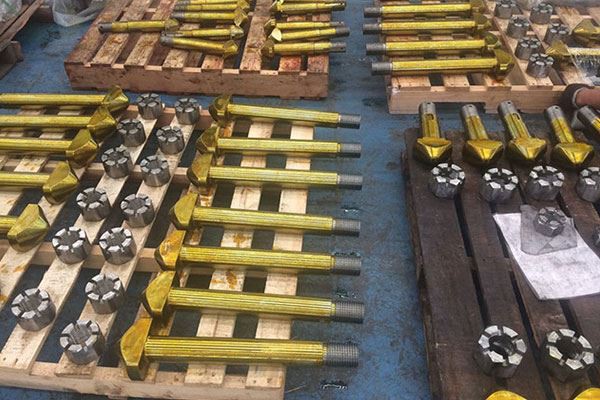
If you are looking for high-quality shaft flanges for your corrosive chemical applications, we are here to help. As a leading shaft flange supplier, we offer a wide range of products made from different materials, including stainless steel, titanium, nickel alloys, and plastics. Our flanges are designed and manufactured to meet the highest quality standards and can be customized to meet your specific requirements. Whether you need a standard flange or a custom-designed solution, we have the expertise and experience to provide you with the best product for your application.
For more information about our shaft flanges and other products, such as Twist Lock, RTG Rubber Type Gantry Crane Column Beam, and Restacker Frame and Structure, please contact us today. We look forward to working with you and helping you find the right solution for your needs.
References
- Fontana, M. G. (1986). Corrosion Engineering (3rd ed.). McGraw-Hill.
- Uhlig, H. H., & Revie, R. W. (1985). Corrosion and Corrosion Control: An Introduction to Corrosion Science and Engineering (3rd ed.). Wiley.
- ASM Handbook, Volume 13A: Corrosion: Fundamentals, Testing, and Protection. ASM International.